flat pack containers for sale
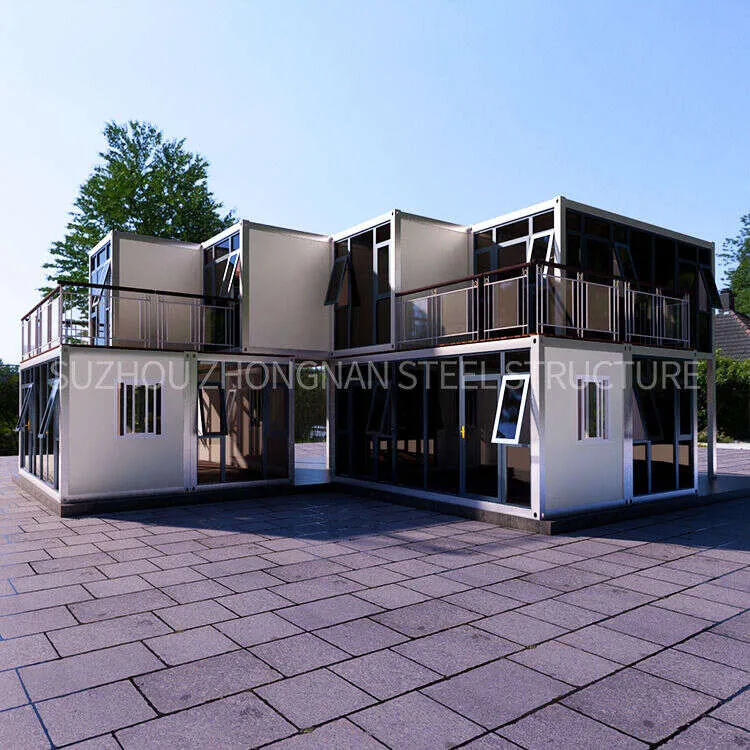
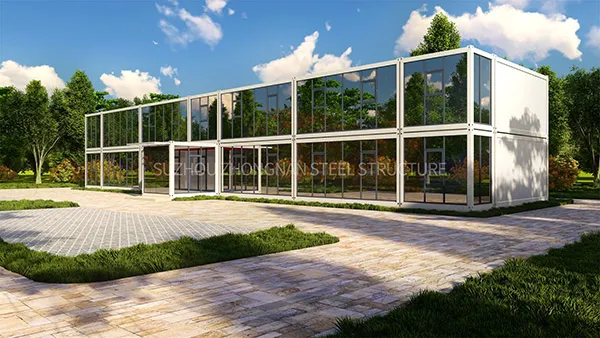
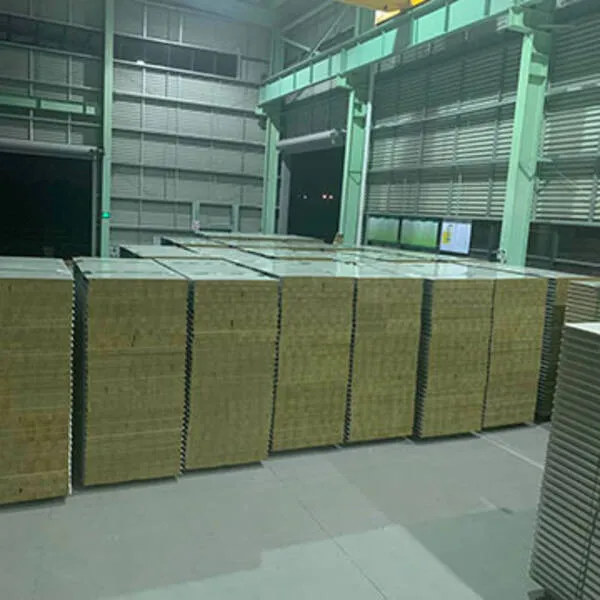
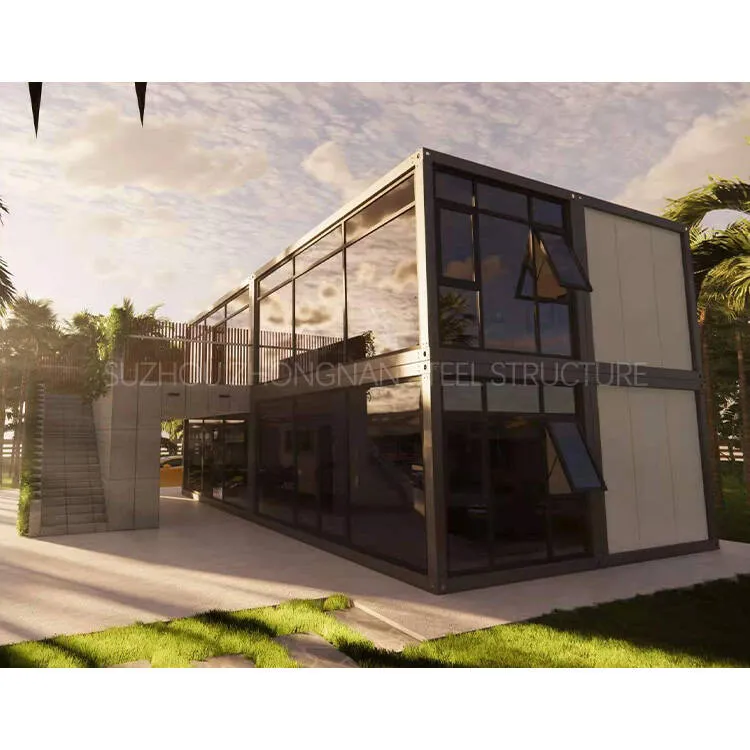
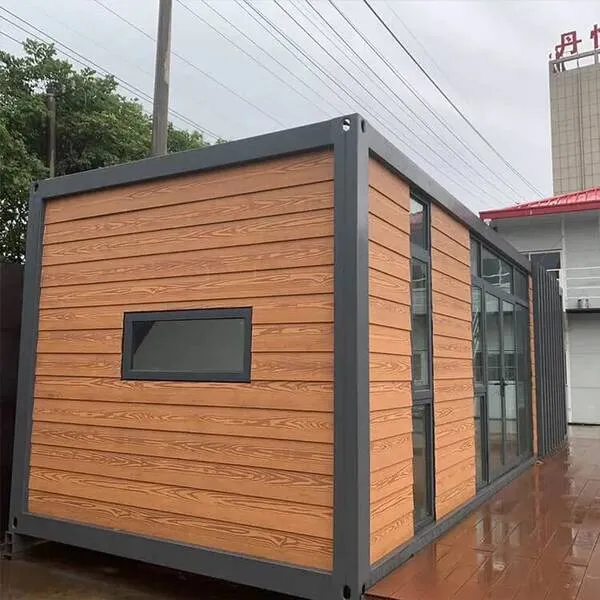
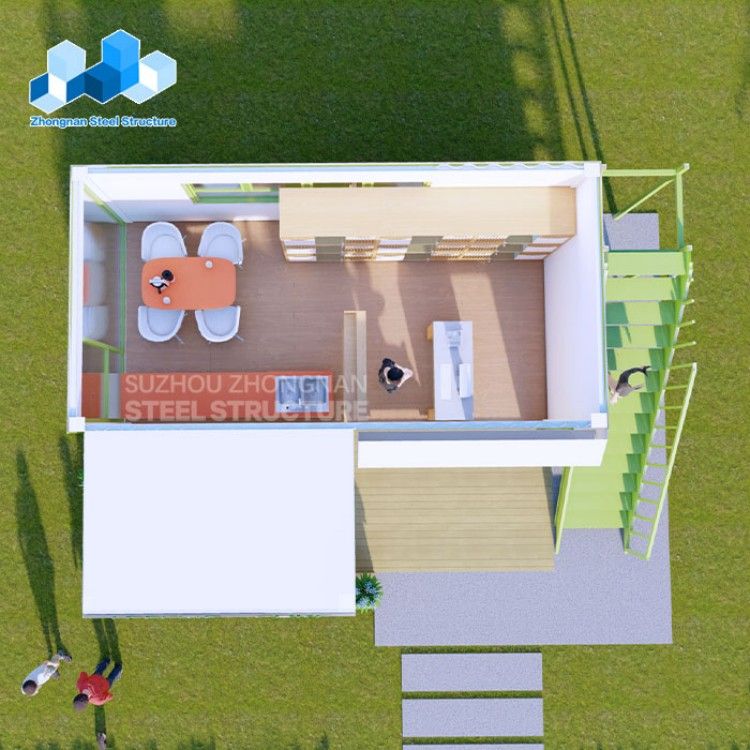
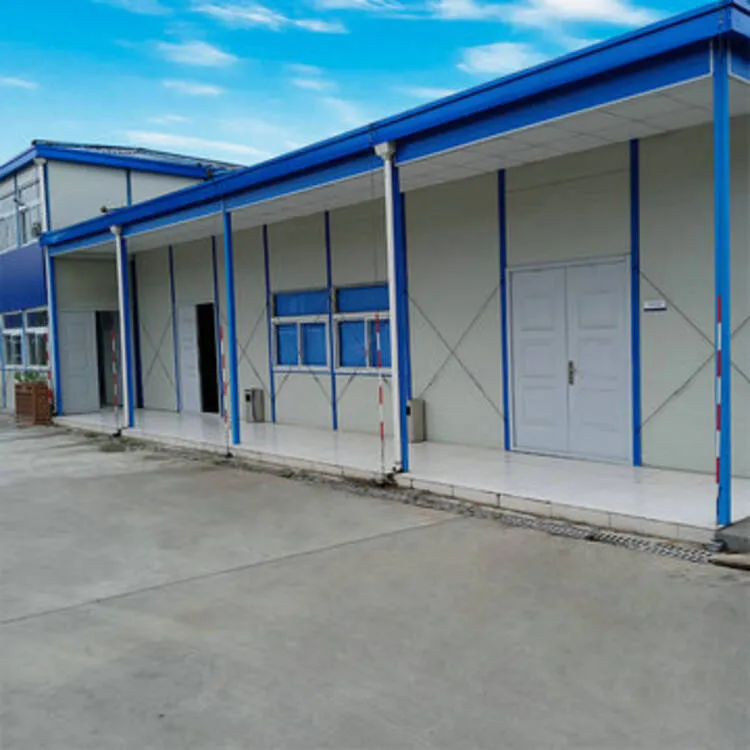
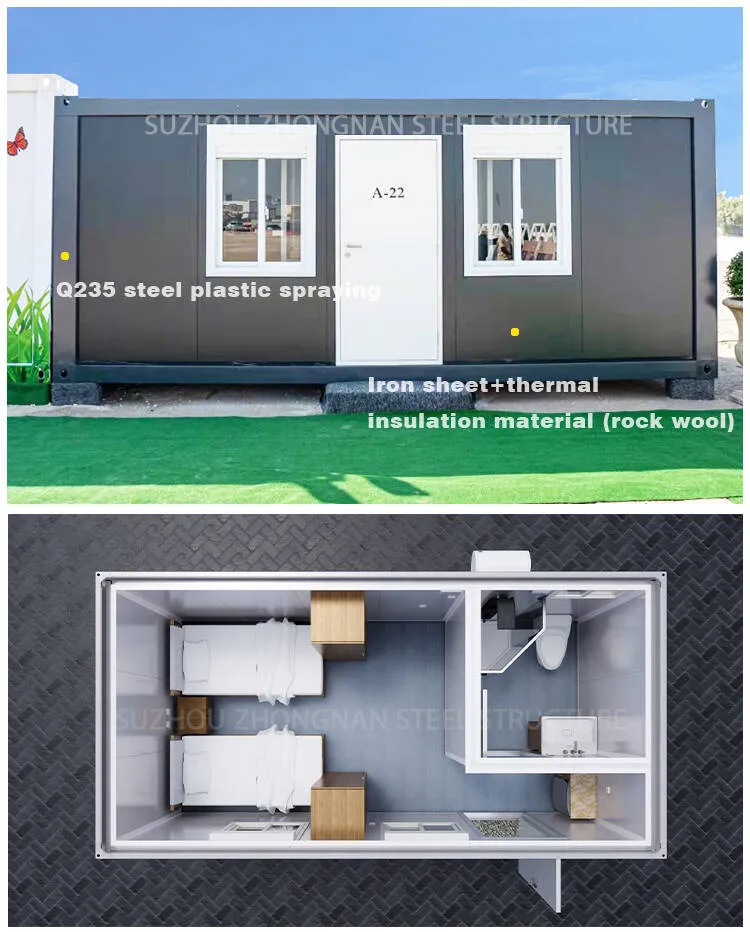
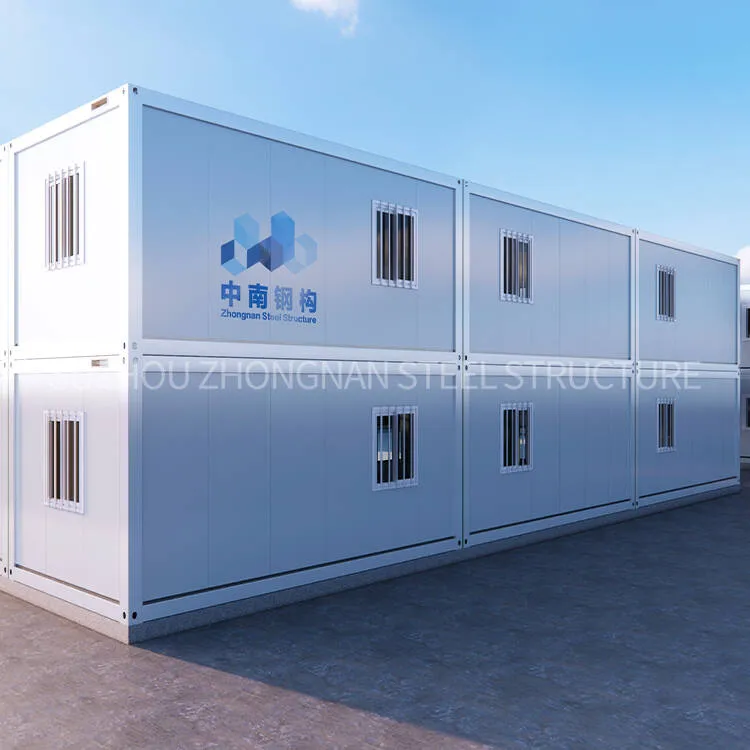
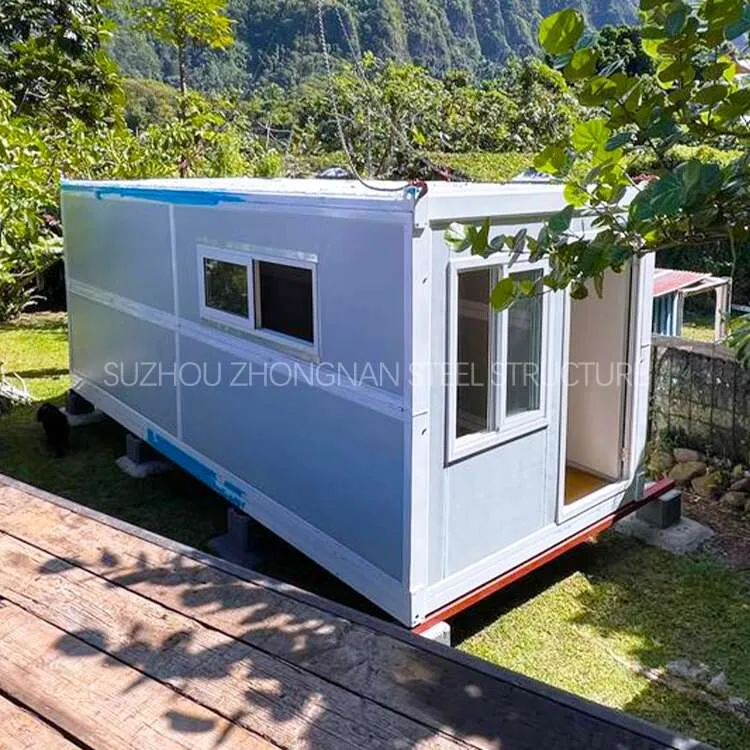
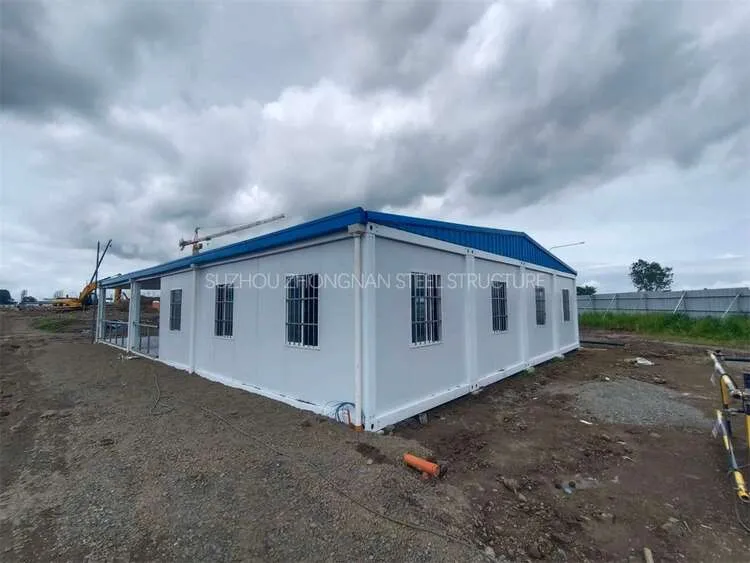
A Field-Tested Look at Modular Living, Packed Flat and Built Fast To be honest, I didn’t expect to be impressed the first time I saw a fully kitted Flat Pack Container House unfold from a steel bundle in under three hours. But the industry has moved on—quietly, efficiently. In fact, the latest modules ship as compact kits, then bolt together into snug offices, clinics, and worker housing with surprising rigidity and decent thermal comfort. Origin matters: this model hails from Fanxiang Village, Taoyuan Town, Wujiang District, Suzhou City, China—an area that’s become a genuine hub for precision light-steel fabrication. The global trend? Faster deployment, lower transport volume, and components tested to recognizable standards. It seems that clients are leaning into relocatable assets instead of sunk costs in traditional builds. Why choose a Flat Pack Container House right now Deployment speed: site offices up in a morning; clinics in a day. Transport efficiency: around 6–8 modules per 40’HQ (real-world may vary). Stackable: typically up to 3 stories with engineered stairs and corridors. Predictable performance: wind, snow, and fire ratings aligned to common standards. Typical Specifications (reference build) Module size ≈ 6055 × 2435 × 2896 mm (20‑ft class) Steel frame Galvanized light steel, corners per ISO 1161-compatible castings Wall panels 50–100 mm PIR or Rockwool sandwich; U‑value ≈ 0.30–0.45 W/m²·K Floor build-up Steel chassis + cement/OSB board + vinyl/PVC; live load ≈ 2.0 kN/m² Roof load ≈ 0.5 kN/m² (check local snow actions) Wind resistance Designed to local code (e.g., ASCE 7 or Eurocode); ≈ 0.6–0.8 kPa Fire rating Rockwool panel up to A1 class (EN 13501‑1) Stacking Up to 3 levels with bracing Electrical 220–240V 50Hz (or 110V 60Hz on request) Specs are indicative; real-world use may vary by code, climate, and configuration. Process, materials, and testing Materials: galvanized Q235/Q355 steel; PIR/Rockwool insulation; EPDM roof flashings; PVC doors/windows (optional aluminum). Methods: CNC cutting, MIG welding, powder coating; bolt-assembly on site to limit hot works. Testing: coating per ISO 9227 salt-spray (e.g., 240–500 h), corner integrity per ISO 1161 geometry, air/water per ASTM E283/E331 (typical: ≤0.3 cfm/ft² @ 75 Pa; no leakage @ 137 Pa). Service life: ≈ 15–25 years with maintenance; coastal zones need stricter anti-corrosion plans. Industries: construction camps, disaster relief, pop-up retail, clinics, classrooms, tourism cabins, data-site MMRs. Vendor snapshot (what buyers actually compare) Vendor Origin Certs Lead time Customization Warranty ZN House (this Flat Pack Container House ) Suzhou, China ISO 9001; EN 1090 welding; CE components ≈ 3–5 weeks + shipping Layout, façade, MEP, solar, stairs 10–15 years structural (typical) EU Modular Brand Poland/Germany EN 1090, ETA, local DoP ≈ 6–8 weeks High-end finishes 10 years Local Contractor (assembled) Your country Varies ≈ 2–4 weeks Moderate 5–10 years Real-world use and feedback A coastal contractor told me their Flat Pack Container House site office rode out 120 km/h gusts without racking—doors still latched square. Another case: a pop-up clinic network linked six modules with a shared corridor and split HVAC; commissioning took two days, which is, frankly, impressive. Customization tips Pick Rockwool for A1 fire scenarios; PIR for thermal efficiency. Request RAL-matched powder coating and thicker zinc for marine sites. Add solar + lithium rack; spec EPDM roofing for tricky climates. Check local code: ASCE 7/IBC or Eurocode actions, accessibility (ADA/BS 8300). Standards touchpoints: ISO 1161 (corners), ASCE 7 wind/snow actions, EN 13501‑1 fire, ISO 9227 corrosion. Always align the module calculation note with your local authority having jurisdiction. References ASCE 7-16: Minimum Design Loads for Buildings and Other Structures – American Society of Civil Engineers. https://ascelibrary.org/doi/book/10.1061/asce7 ISO 1161:2016 – Series 1 freight containers — Corner and intermediate fittings. https://www.iso.org/standard/59695.html EN 13501-1: Fire classification of construction products and building elements. https://standards.iteh.ai/catalog/standards/cen/1b9b5f3e-cc2a-4e9f-8d8a-8c3ee0f3b4a0/en-13501-1 ISO 9227:2017 – Corrosion tests in artificial atmospheres — Salt spray tests. https://www.iso.org/standard/63543.html ASTM E283/E331 – Air and water penetration of exterior windows, curtain walls, and doors. https://www.astm.org







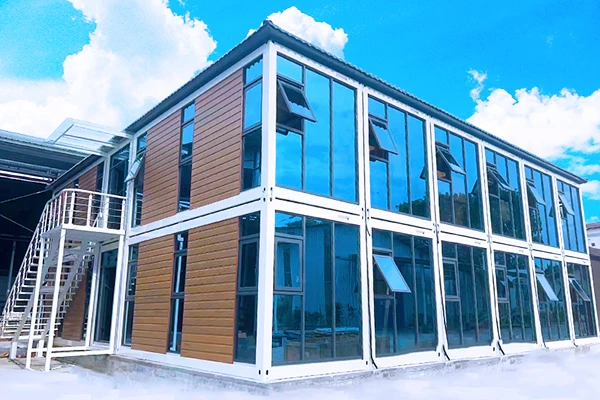 For Governments & Enterprises
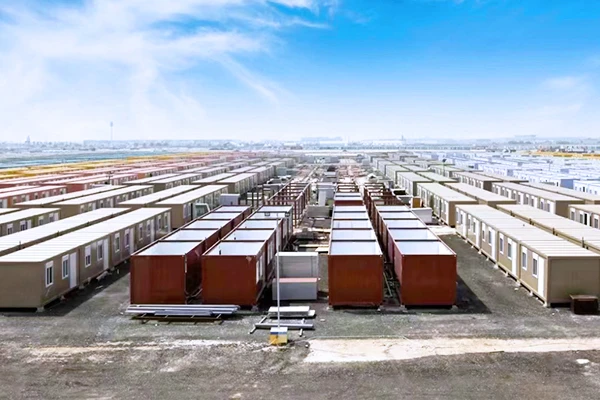 For Public Initiatives
 For Property Developers